/ resources
September 5, 2024


Bizrate Insights,
Customers have come to expect a shopping experience uniquely tailored to fit their wants, needs, and interests. In fact, an overwhelming 81% of customers prefer making purchases from companies that can offer them that personalized experience.
If your ecommerce business struggles to bring in and retain customers, adjusting your business strategy to offer up more personalized customer experiences could be the key to turning things around.
Effective personalization begins with data. You may be able to pull data from a variety of sources, such as the customer’s browsing or purchase history or your business’s CRM.
Once you establish a source for your customer data, you can use it to develop your personalization tactics. For example, personalized marketing messages like emails or ad campaigns often draw from customers’ browsing history to point them toward products they might be interested in purchasing. Thanks to these strategies, customers find what they want faster, and your business pulls in more traffic.
Typically, you will segment customers based on four different characteristics: location, demographics, psychographics, and behavior.
The geographic segment divides customers according to their location. Customers living in specific locations may be more accustomed to personalized shopping than others. For example, 74% of U.S. customers indicated that they would be willing to share personal information with a brand or retailer if it would improve their shopping experience. On the other hand, those living in countries with stricter data privacy laws, like the EU, may be more wary.
Demographics can account for a number of factors, including age, sex, race, education, income, and more. When we’re thinking about personalization though, one of the most important demographics to consider is age.
Younger shoppers tend to lean into personalized shopping, with 37% of 18 to 29 year olds believing that it leads to a superior shopping experience. However, older shoppers may be less inclined to seek out personalized experiences or share their personal data.
The psychographic customer segment classifies customers according to more subjective data like belief systems, aspirations, values, and attitudes. Customers’ values may make them more or less open to personalized shopping. For instance, customers who value efficiency and convenience will probably love a personalized checkout experience that helps them order the product they want and move along with their day faster.
Customer segments can also be divided based on browsing behaviors. Do they frequently shop online? Do they regularly engage with content from ecommerce brands? What types of ads do they respond to the most? Tracking these behaviors can help you figure out which customers will welcome personalized shopping and which may find it intrusive. Be careful to scale your marketing efforts accordingly.
So, what does your business stand to gain from all these personalization efforts? Let’s examine some of the main benefits that come with an effective customer experience strategy.
Businesses should try to avoid coming across as intrusive. You want to strike a balance with your personalization strategies so that customers have a streamlined, convenient shopping experience without feeling like they’re being watched. If you choose to provide custom product recommendations, for example, aim to gather data from the customer’s general browsing history rather than focusing on hyper-specific searches.
Remember to keep your personalization models updated as well. Ecommerce businesses evolve and shift pretty rapidly. As you grow, you might find yourself focusing on new customer segments or marketing channels. Flawed or outdated personalization models can lead to mistargeting, which is ultimately a waste of your resources.
Ecommerce businesses must walk a fine line between personalizing the shopping experience and preserving customer privacy. The best way to define that line is by opening up communication with your customers.
Communication must work both ways to be effective, meaning that you have to be transparent about your data practices so customers know what to expect when they do business with you. But, you must also allow customers to submit feedback and make attempts to incorporate that feedback. Customers want to know that they have control over their own data and that their voices will be heard by the businesses they love.
If you don’t currently have an efficient way to gather and organize your customer feedback, Bizrate Insights has a number of tools that can help you actively learn from your customers and incorporate more of their feedback into your personalization strategies.
Ecommerce personalization takes work, but here are a few tips to help you find your balance:
The emergence of AI has already begun to impact personalization technology. AI-driven tools can sort through customer data at a faster pace than ever before, unearthing newer and more relevant insights that ecommerce businesses can use to hone their personalization strategies.
However, with these advancements come even greater questions about data privacy. As tools get smarter, some customers may become increasingly wary about online shopping. As a result, businesses must continue to prioritize their customers’ privacy if they want to maintain healthy, long-term relationships with them.
For more tips, tricks, and insights about all things related to customer data, visit our resources page or book a demo to learn how you can take the first step toward implementing a winning customer experience strategy today.
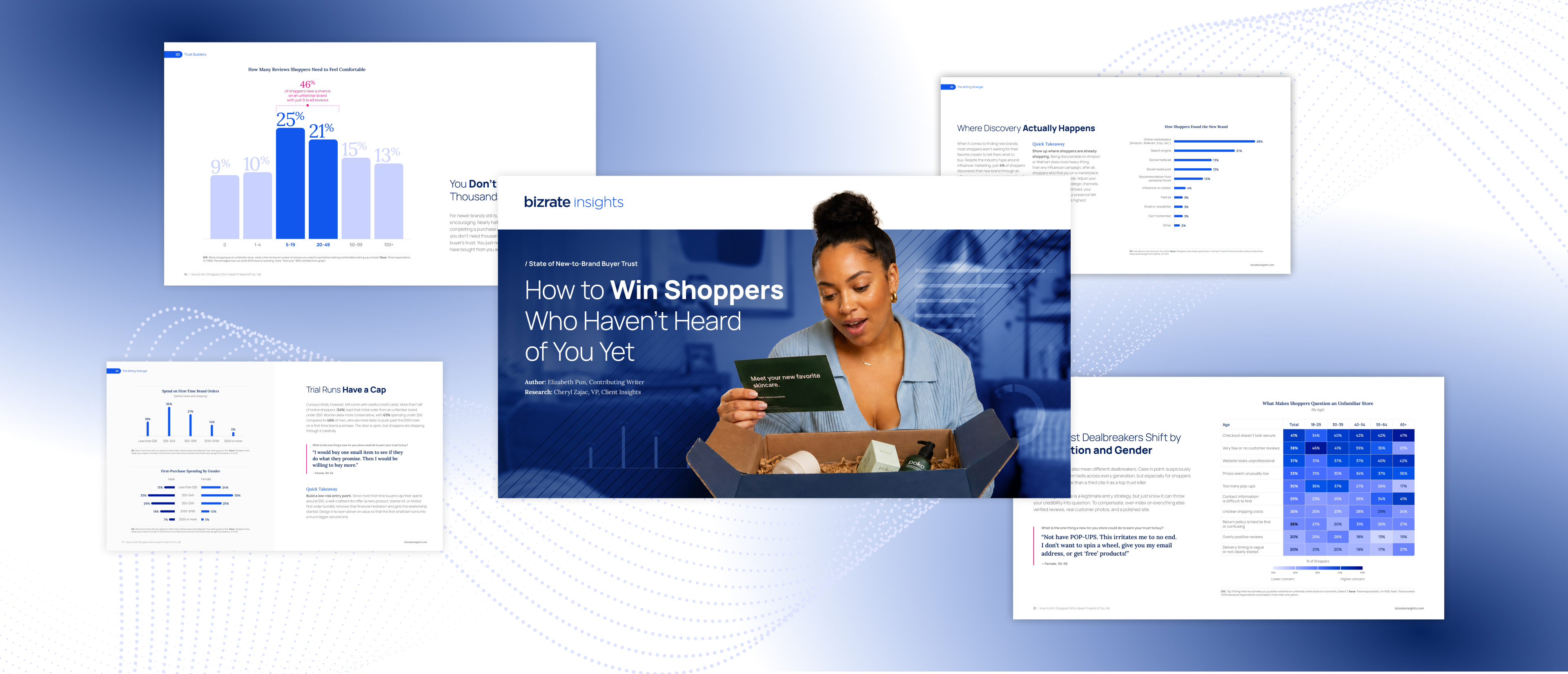
First-time buyers are out there, and they’re willing to spend with you if you can put them at ease. Our latest research shows what helps shoppers feel ready to take a chance on a new brand.

New back-to-school shopping data shows shoppers are blending online and in-store channels, spending more, and looking for convenience, value, and confidence.
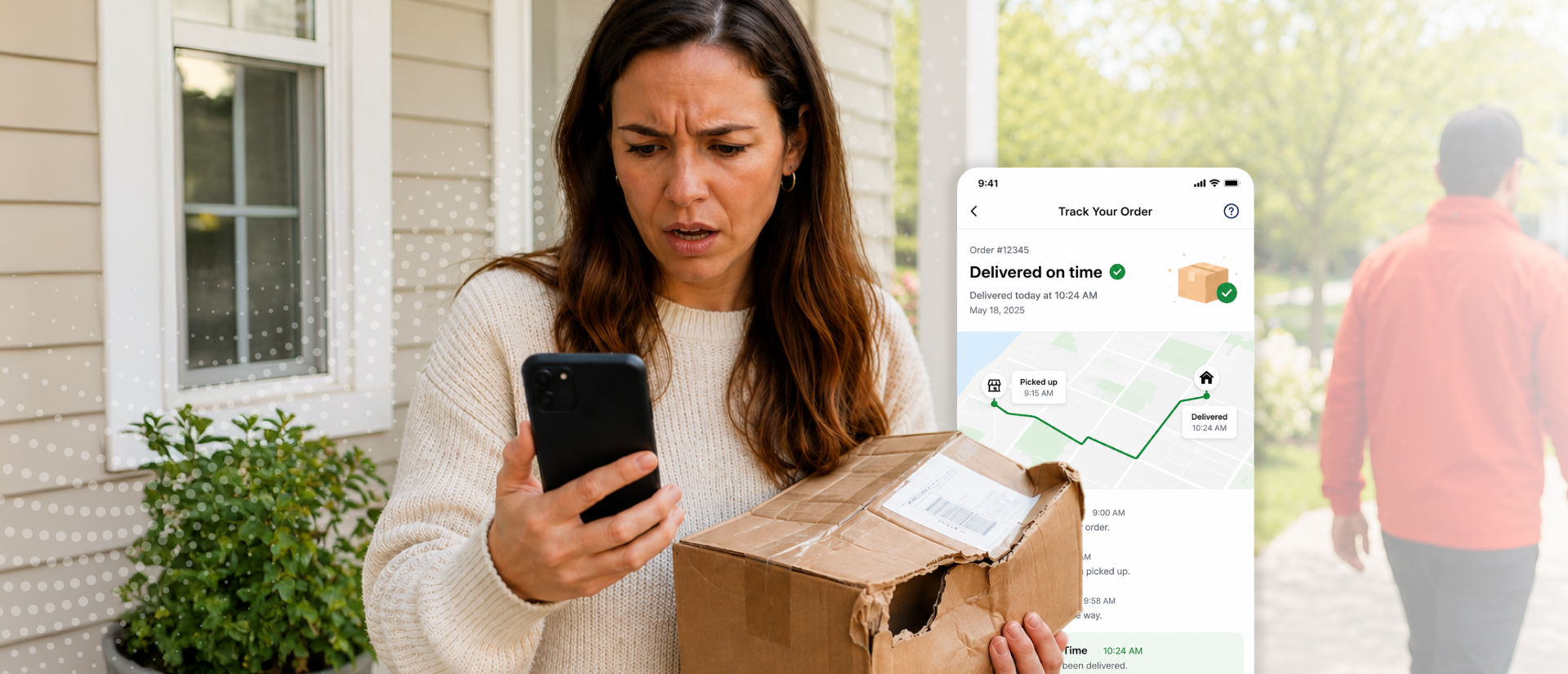
Introduction A customer orders from your brand, has a terrible delivery experience through DoorDash or Instacart, and leaves a...


