/ resources
February 20, 2024


Writer, Bizrate Insights
For a PDF download version of this report: Download Now
In the competitive world of ecommerce, trust emerges as a key differentiator, especially for small online stores. This blog — grounded in the findings of the Bizrate Insights survey — zeroes in on ecommerce tips for small businesses. It unpacks the survey’s findings about consumer trust in boutique stores, highlighting how trust factors outweigh cost considerations in shopping.
Small online retailers face the dual challenge of establishing trust and seizing the opportunity to grow their customer base. This blog outlines strategic approaches to building trust, such as ensuring secure payment methods, leveraging positive customer feedback, and maintaining transparent customer service policies. These strategies involve overcoming challenges and unlocking potential revenue growth.
By implementing these trust-building measures, small ecommerce businesses can significantly enhance their revenue streams. The paper concludes by inviting readers to delve deeper into these insights, offering a roadmap for leveraging trust as a catalyst for business growth and customer loyalty in ecommerce.
In the fiercely competitive ecommerce landscape, small and boutique stores grapple with the critical challenge of establishing trust, a vital factor for thriving amidst larger, well-known brands. The Bizrate Insights survey sheds light on this pivotal issue, revealing that more than 41% of respondents have abandoned a purchase from a small or boutique store due to trust concerns. This statistic underscores the importance of trust not just for transactional security, but as a cornerstone for creating meaningful customer relationships.
This blog delves into these findings, offering actionable strategies for small ecommerce vendors. We’ll explore consumer perceptions in boutique online shopping and how trust can be a powerful differentiator and driver for revenue growth. For these smaller businesses, leveraging trust is a necessity and an opportunity to transform challenges into avenues for customer loyalty and business expansion.
The Bizrate Insights survey offers a revealing snapshot of consumer trust in ecommerce, particularly in the context of boutique stores. This section delves into the survey’s key findings, shedding light on how trust influences shopper behavior and decisions.
The survey’s revelations are telling. More than 41% of respondents admitted to abandoning a purchase from a small or boutique store due to trust concerns. This statistic underscores the critical role of trust in the consumer’s decision-making process. Interestingly, the survey also highlighted that a majority of consumers, about 66%, prefer purchasing from brands or stores they have previously engaged with rather than opting for the lowest cost. This preference shows that in the world of boutique and small-scale online retail, trust is often more influential than price in shaping consumer decisions.
When it comes to factors that build trust, secure payment options and positive online reviews emerged as top priorities. More than 68% of respondents identified trusted payment methods as crucial, while just under 65% placed high importance on positive reviews and ratings. These elements are key indicators of a store’s credibility and reliability in the eyes of consumers.
The survey also brought to light interesting demographic trends, particularly in how different age groups perceive trust in online shopping. While trust issues led to purchase abandonment across all age groups, younger respondents (under 30) were more likely to abandon a purchase due to trust concerns than older participants. This finding suggests that younger shoppers — often more digitally literate — are also more cautious and discerning when it comes to trusting online stores.
Conversely, the older demographic (55 and above) showed a relatively higher level of trust in boutique stores. This trend could be attributed to different factors, including less exposure to diverse online shopping experiences or a different set of criteria for evaluating trust.
Let’s explore the essential elements that form the bedrock of trust for small ecommerce vendors.
For any ecommerce store, the choice of payment methods is more than a convenience — it’s a statement of security and reliability. The Bizrate Insights survey highlights that just over 68% of shoppers view trusted payment options as a crucial trust factor. Recognized methods like PayPal, Venmo, or Stripe signal to shoppers that their financial details are in safe hands.
Small vendors can boost consumer confidence by integrating these widely accepted and secure payment methods, assuring customers of a safe and hassle-free transaction experience.
When it comes to digital shopping, the voice of the customer (VoC) carries immense weight. The survey found that around 65% of consumers place high importance on online reviews and ratings. Positive feedback acts as a powerful endorsement, influencing potential buyers. Small ecommerce vendors should actively encourage satisfied customers to share their experiences.
This can be achieved through follow-up emails, incentives for leaving reviews, or featuring customer testimonials prominently on the site. Showcasing these reviews builds trust and provides valuable insights into what customers appreciate about your products and services.
Effective customer service and transparent return policies are pivotal in establishing trust. They reassure shoppers that support is available if needed and that their satisfaction is a priority. Over 50% of survey respondents check a store’s customer service and return policy before making a purchase.
Small vendors should ensure these policies are clearly communicated and easily accessible. Providing prompt and helpful customer service and a fair and straightforward return policy can turn a one-time buyer into a loyal customer.
In the ecommerce sphere, trust isn’t just a feel-good factor — it’s a potent catalyst for business growth. In fact, small ecommerce vendors can harness trust to attract customers and boost their revenue significantly.
Here are some effective practical tips for building trust:
Offer a variety of trusted payment methods. This not only provides convenience but also assures customers of transaction security.
Actively encourage customers to leave reviews and make these visible on your site. Positive feedback builds credibility and can sway potential buyers.
Clearly communicate your policies. A straightforward and customerfriendly return policy can be the deciding factor for many shoppers.
Provide timely and helpful customer support. Consider options like live chat for immediate assistance, enhancing the overall customer experience.
Ensure your website is easy to navigate, mobile-friendly, and provides all necessary information at the fingertips of the shopper.
Badges from McAfee, Verisign, and Bizrate Insights can indicate you’re an industry expert and prove your site is safe.
Now, let’s explore how three small vendors — Dover Saddlery, FireFold, and Baby Brezza — successfully implemented such trust-building strategies to drive their business growth:
Dover Saddlery harnessed the power of the Online Buyer Survey from Bizrate Insights to refine its UX for both desktop and mobile users. Their commitment to offering meticulously field-tested products and integrating customer feedback into their website design significantly enhanced trust and customer loyalty.
Similarly, FireFold faced a challenge when a website redesign led to a dip in conversions. By employing VoC insights and introducing the Site Abandonment Survey, they gathered crucial feedback. This led to improved search and navigation, more flexible shipping options, and a streamlined checkout process. The result was a notable 4% reduction in cart abandonment, a 15% increase in overall satisfaction, and a 19% rise in monthly sales.
Finally, Baby Brezza transformed its online reputation by strategically focusing on VoC feedback. Facing low seller ratings on Google, they implemented the Online Buyer Survey in partnership with Bizrate Insights. This move led to an impressive 84% increase in their Google seller rating, from 2.5 to 4.6 out of 5. By actively engaging with customer feedback, promptly addressing negative responses, and using positive testimonials in marketing campaigns, Baby Brezza enhanced customer satisfaction and informed product development and marketing strategies.
These examples illustrate that small ecommerce businesses can see a tangible impact on their revenue and growth by focusing on building and maintaining trust. Implementing these trust-building strategies can transform the shopping experience — turning casual browsers into loyal customers and advocates for your brand.
In the world of ecommerce, trust is a vital asset, especially for smaller vendors. The Bizrate Insights’ survey results reveal that secure payment options don’t just facilitate transactions — they significantly elevate customer confidence.
This trust is further reinforced by customer reviews and ratings, which play a pivotal role beyond mere feedback. They shape purchasing decisions and are instrumental in establishing a store’s credibility. Moreover, clear policies and proactive support are important beyond basic expectations, creating an enhanced customer experience that fosters deep and lasting loyalty.
Small businesses can significantly enhance customer satisfaction and boost sales by prioritizing trust, as shown by our success stories. For ecommerce vendors looking to replicate this success, key actions include:
Implementing these strategies can transform customer trust into a major competitive advantage, simultaneously boosting customer loyalty and revenue growth. Start refining your trust strategy now to make your brand stand out.
For a PDF download version of this report: Download Now
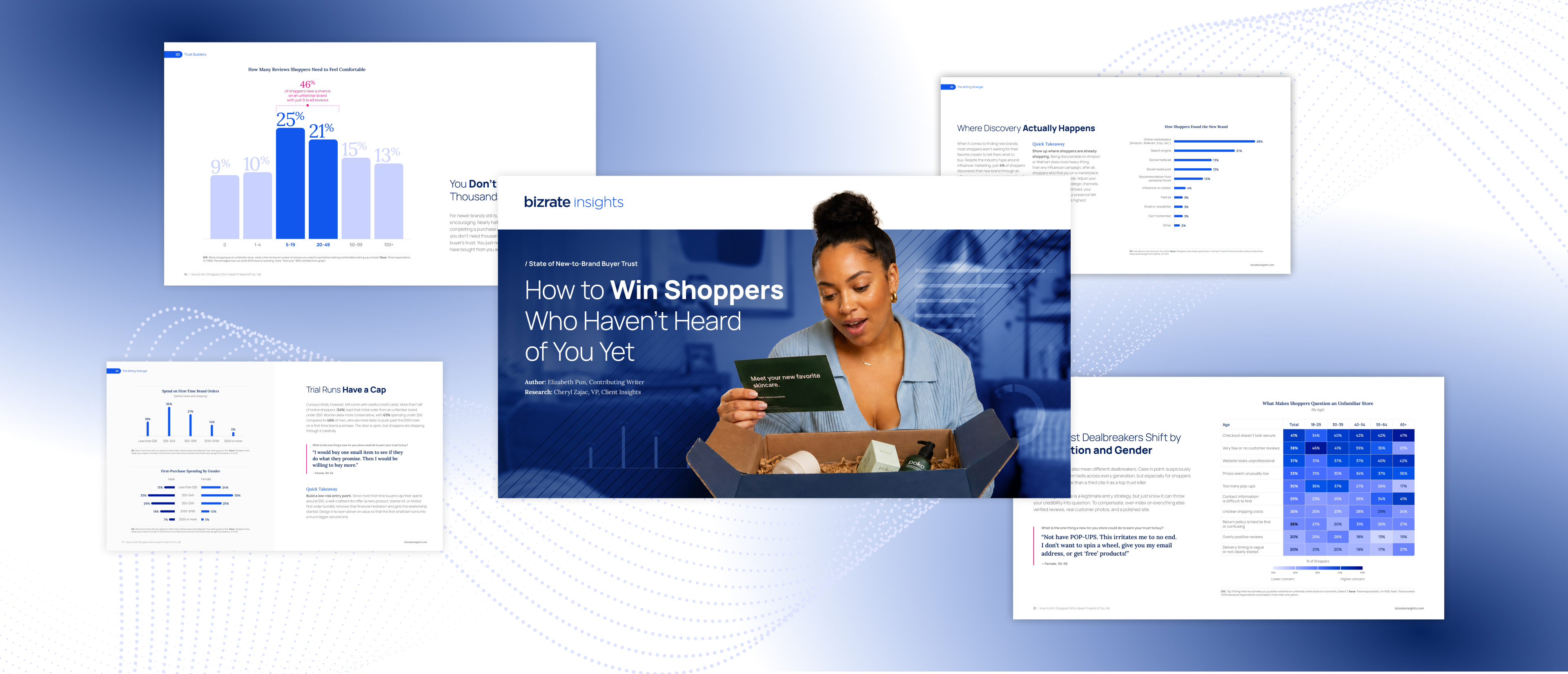
First-time buyers are out there, and they’re willing to spend with you if you can put them at ease. Our latest research shows what helps shoppers feel ready to take a chance on a new brand.

New back-to-school shopping data shows shoppers are blending online and in-store channels, spending more, and looking for convenience, value, and confidence.
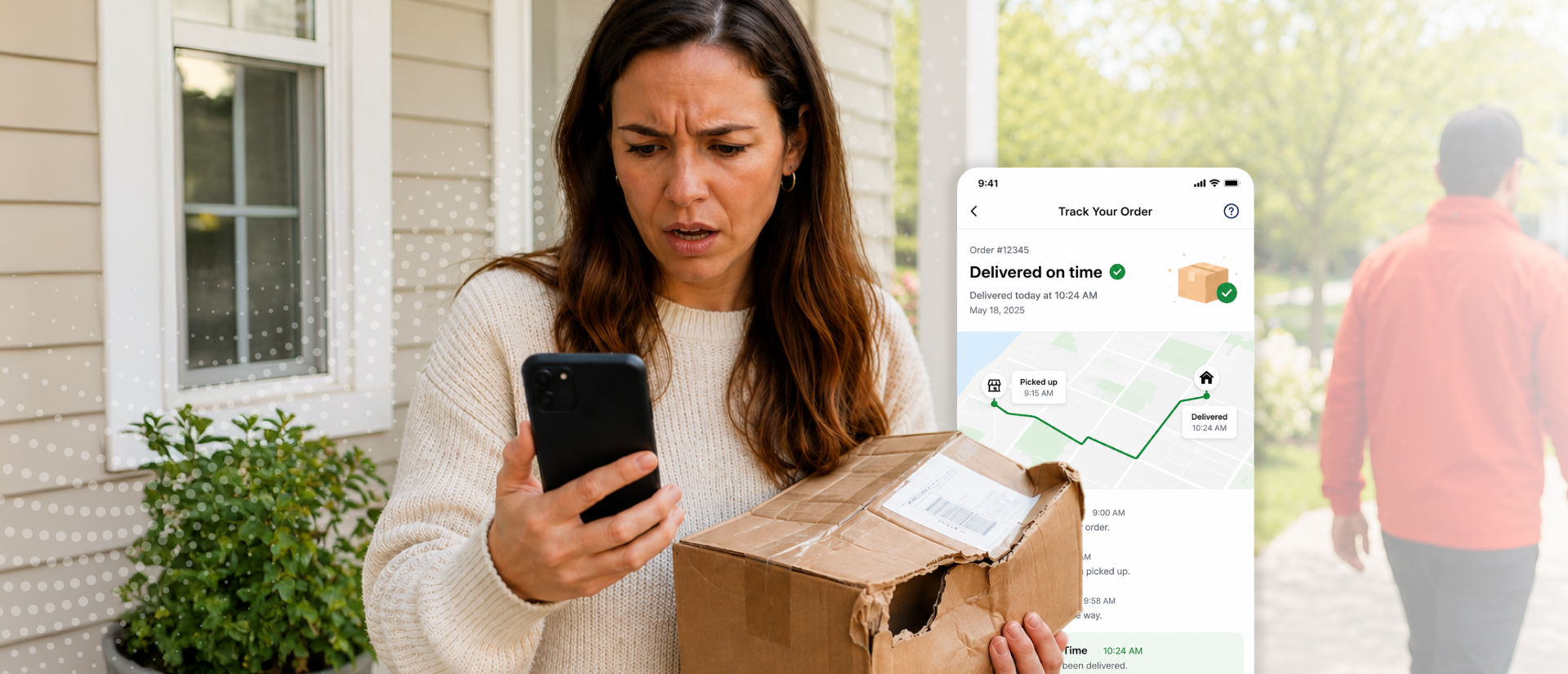
Introduction A customer orders from your brand, has a terrible delivery experience through DoorDash or Instacart, and leaves a...


