/ resources
July 24, 2025


Director of Client Experience, Bizrate Insights
Customer feedback is a powerful resource—but only if it reaches the right teams. Insights in the right hands can fuel website improvements, resolve customer pain points, and drive higher conversions. Let’s break down which teams need this feedback most, why it matters, and how to distribute it effectively so your entire organization can act on it.
1. E-commerce & Development Teams
Customer feedback is a goldmine for identifying technical barriers like slow load times, broken links, or a confusing checkout process. Armed with this insight, development teams can prioritize fixes that directly impact conversion rates and cart abandonment. Regular monitoring also enables continuous site optimization: from streamlining navigation to simplifying checkout and proactively addressing performance issues. By focusing on the user experience, these teams can ensure your site evolves alongside customer expectations.
2. Customer Support Teams
Feedback isn’t just about identifying problems. It also helps you understand whether customers feel their concerns are being effectively addressed. Customer support teams can leverage feedback to gauge satisfaction levels, identify recurring pain points, and train staff accordingly. When support staff is equipped with up-to-date insights, they can proactively communicate solutions, reducing friction and building trust. Feedback also helps refine training materials, ensuring agents are empowered to serve customers better.
3. Marketing Teams
Marketers can use feedback to refine timing, targeting, and messaging. For example, knowing when customers are most engaged helps optimize retargeting campaigns. Feedback also reveals which products are in high demand, allowing marketing to align campaigns with inventory status and drive conversions on back-in-stock items. Perhaps most importantly, insights from real customers help refine messaging to resonate more deeply, boosting engagement and ROI.
Regular Reporting Cadence
Consistency is key. Use automated and scheduled reports via the VitalSigns dashboard—available across our subscription tiers—to deliver feedback directly to the teams that need it most. Establishing a regular cadence ensures that insights are reviewed and acted upon promptly.
Clear Communication Channels
Define the pathways that make feedback distribution efficient. Whether it’s granting team members access to the VitalSigns dashboard, integrating feedback with existing communication tools, or establishing regular cross-functional meetings, clear channels prevent insights from getting lost in the shuffle.
Accountability and Follow-Up
Insights are only as valuable as the actions they inspire. Assign responsibility to ensure that each team takes ownership of their feedback-driven initiatives, and reports back on results. This closes the loop and ensures continuous improvement.
Expert-Analyzed Insights
While raw feedback is valuable, interpreting it effectively requires expertise. Our team at Bizrate Insights provides quarterly reviews and tailored summaries that distill complex feedback into actionable insights. This ensures every team gets the guidance they need to prioritize improvements and drive meaningful results.
Distributing customer feedback to the right teams isn’t just a best practice—it’s a competitive advantage. By aligning insights with action, e-commerce businesses can build better experiences, foster loyalty, and grow their bottom line.
If you’d like to learn more about how Bizrate Insights can help you gather verified customer feedback for actionable insights that your whole team can use, reach out today and let us know how we can help
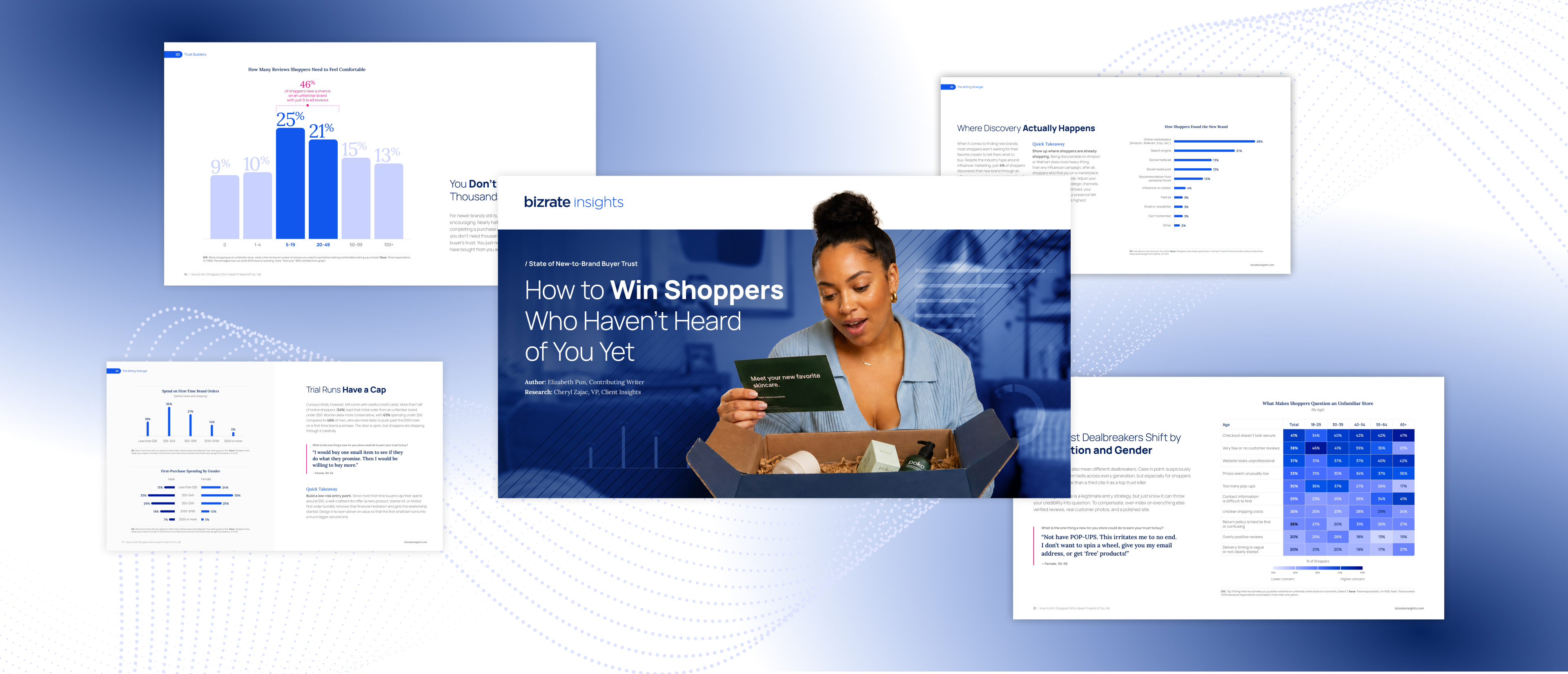
First-time buyers are out there, and they’re willing to spend with you if you can put them at ease. Our latest research shows what helps shoppers feel ready to take a chance on a new brand.

New back-to-school shopping data shows shoppers are blending online and in-store channels, spending more, and looking for convenience, value, and confidence.
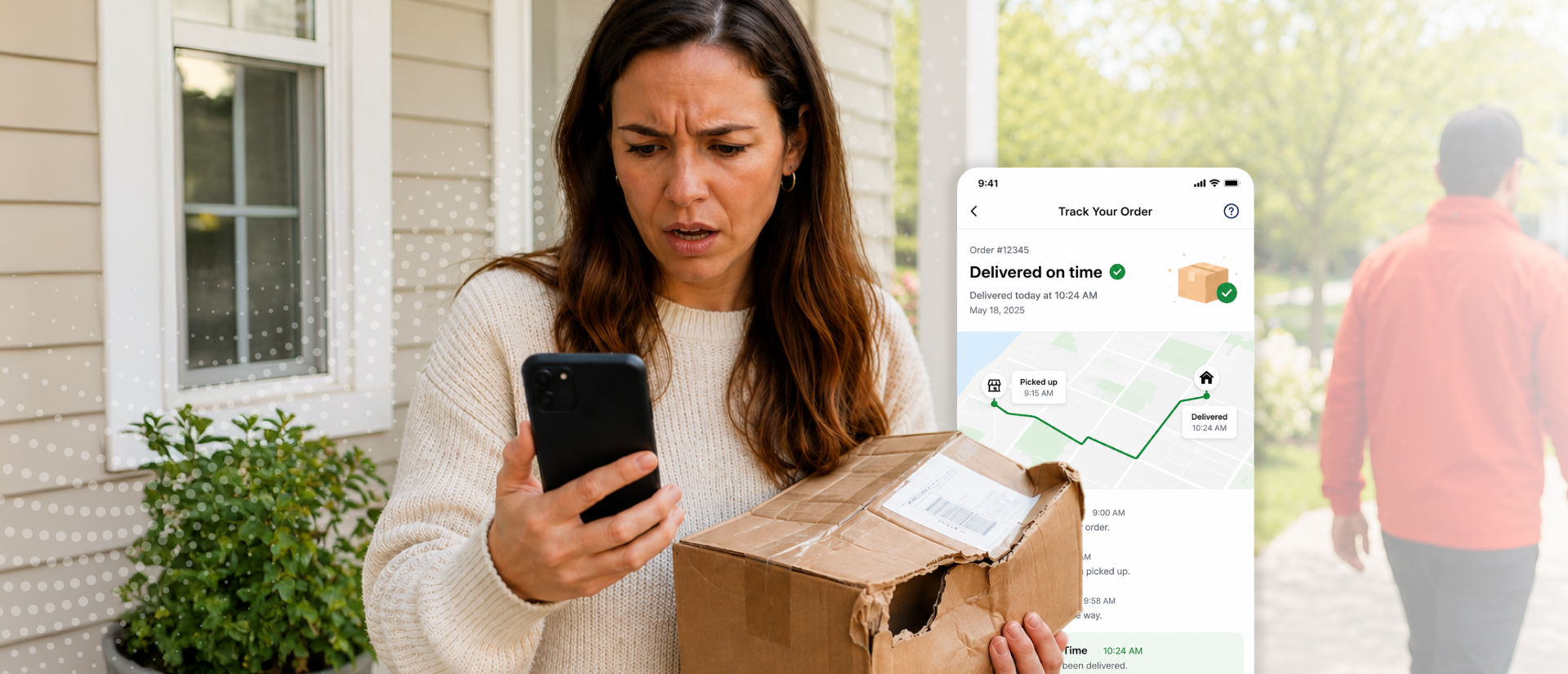
Introduction A customer orders from your brand, has a terrible delivery experience through DoorDash or Instacart, and leaves a...


