/ resources
May 16, 2024


Writer, Bizrate Insights
Savvy businesses recognize that understanding how consumers make decisions gives them a clear advantage. Companies can tailor their strategies to meet consumer needs, stay relevant, and outperform competitors more effectively.
Understanding the consumer decision process enables businesses to influence consumer behavior, refine marketing approaches, and drive sales. Each step — from identifying needs to completing a purchase — represents a chance for businesses to meet customer needs.
This article explores consumer behavior and decision-making. We’ll outline the stages of the purchasing journey and offer actionable strategies to leverage this understanding to your advantage.
The consumer buying process consists of the steps buyers take, from realizing a need for a product or service through post-purchase evaluation. Businesses that thoroughly understand this process gain better insights into consumer decision-making.
Knowing the nitty-gritty of the consumer buying process is vital for developing effective marketing and sales strategies. It helps you tailor your messaging, product offerings, and customer experiences to meet customer preferences. This can lead to more sales, greater buyer satisfaction, and increased brand loyalty.
Personal preferences, social influence, cultural norms, economic considerations, and psychological factors can all influence consumer behavior. Understanding these influences allows you to anticipate how consumers might act in different situations and tailor your strategies accordingly. By accounting for these factors, businesses can better position themselves to meet the needs of their target audience and ultimately drive success in the marketplace.
Individuals go through a fairly standard series of steps when making a purchasing decision. These stages provide a framework for understanding and analyzing how consumers behave and what factors influence them. Different stages of the buying process present unique opportunities for businesses like yours to engage with consumers. By diving into each stage and how it affects consumer behavior, you can position your brand to leverage the process and drive more sales.
This is where individuals become aware of a need or desire for a particular product or service. Recognizing the significance of problem awareness helps businesses identify opportunities to fulfill unmet needs and address pain points in the market.
Retail Tips:
Consumers gather information about potential solutions through sources such as personal experiences, online reviews, and social media. Knowing how to leverage these sources is crucial for businesses to ensure their offerings are visible and accessible to potential customers.
Retail Tips:
Consumers compare different options based on factors such as features, prices, and brand reputation. Highlighting unique selling points and providing social proof are essential to influence buyers at this stage.
Retail Tips:
This is when consumers commit to buying a particular product or service. Streamlining the buying process and offering incentives can encourage conversion and overcome obstacles. Offer strategic and relevant upsells without being overly pushy.
Retail Tips:
Satisfied customers are likelier to become repeat buyers and advocates for your brand. Delivering exceptional customer service and soliciting feedback are essential for maintaining customer satisfaction and loyalty.
Retail Tips:
Consumer insights are a goldmine for informing your business strategies. By analyzing consumer behavior data and market research findings, you can identify opportunities for improvement. Knowing what drives your ideal customer to make a purchase will lead to more effective marketing and sales strategies.
Tailor your marketing messages and customer experiences to individual preferences and behaviors. Use data analytics and segmentation techniques to provide personalized experiences with which your target audience identifies. What problems do your consumers want to solve? How does your company help them achieve that goal?
Segment your customer demographics based on their behavior and preferences, and personalize your marketing messages to show customers that you can help them solve their problems. You can also use data analytics to recognize patterns and trends to help you anticipate your customers’ future needs and cater to their preferences.
By constantly evaluating and refining your business practices, you can continue to drive success for your business. Stay adaptable to changing market dynamics, consumer preferences, and industry trends. Continuously evaluate and refine your business practices based on consumer feedback and market research findings.
Understanding customer behavior and decision-making is a pathway to growth and success. By aligning your marketing strategies with each stage of the buying process, you can effectively influence consumer behavior, drive sales, and build lasting relationships with your customers.
Throughout this article, we explored consumer behavior and strategies for businesses to leverage during each stage of the decision-making journey:
As consumer preferences and behaviors evolve, businesses must remain agile and adaptable. Stay ahead by monitoring emerging trends and technologies and adjusting your strategies to meet your customers’ changing needs. This will position your business for long-term growth and success in the dynamic marketplace.
Now that you have a deeper understanding of consumer behavior, it’s time to implement these insights and propel your business forward.
Ready to take your business to the next level? Check out seven consumer behavior trends to keep an eye on.
Or, are you interested in seeing what matters most when it comes to customer loyalty? Check out our report on what it takes to earn repeat business in 2024 and beyond.

Qualtrics is one of the best customer experience and market research platforms on the market, but not every ecommerce...
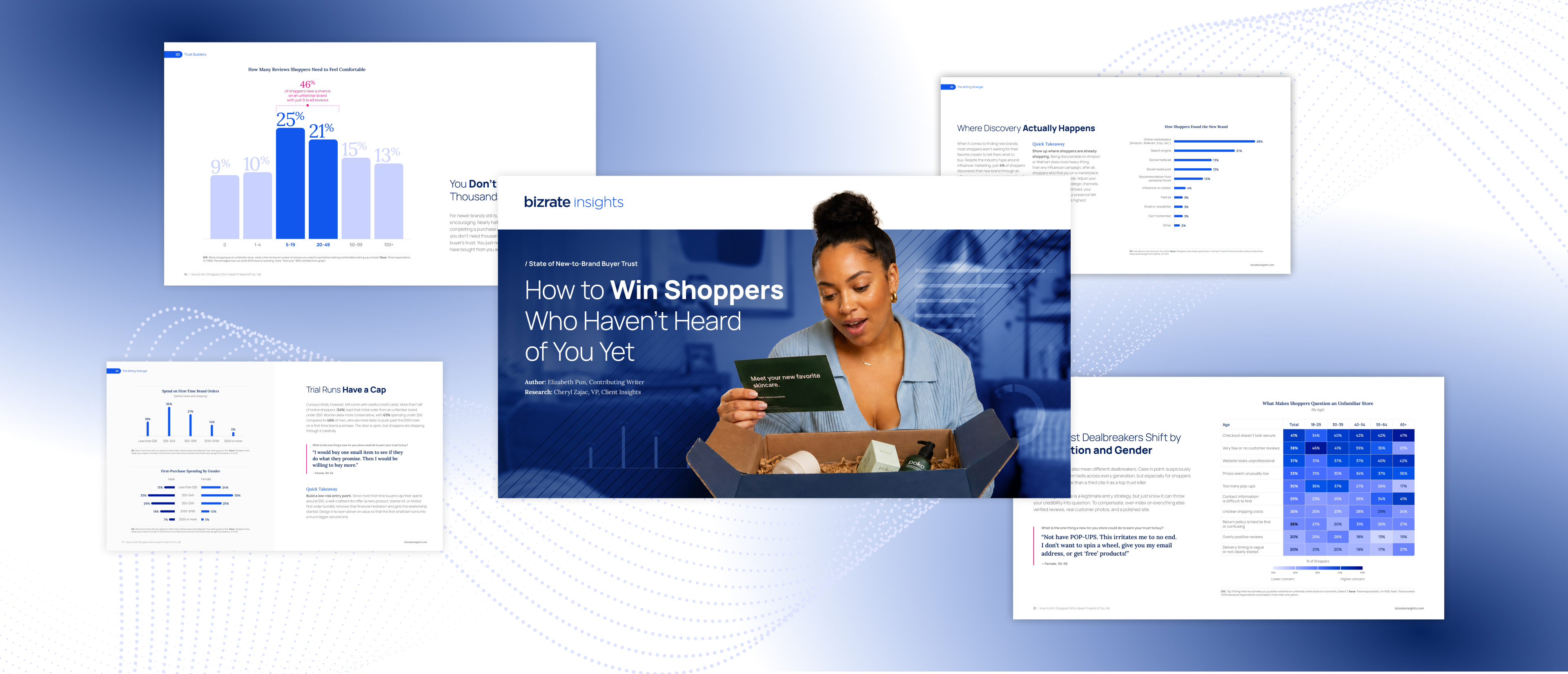
First-time buyers are out there, and they’re willing to spend with you if you can put them at ease. Our latest research shows what helps shoppers feel ready to take a chance on a new brand.

New back-to-school shopping data shows shoppers are blending online and in-store channels, spending more, and looking for convenience, value, and confidence.


