/ resources
March 7, 2025


Vice President, B2B Marketing, Bizrate Insights
Last Friday, on February 28th, a nationwide consumer protest known as the Economic Blackout aimed to challenge rising prices, corporate greed, and perceived unfavorable economic policies. The protest also addressed concerns over recent rollbacks of diversity, equity, and inclusion (DEI) initiatives by corporations following policy changes under President Trump. Companies like Target and Walmart had reduced their DEI commitments, prompting public outcry and contributing to the boycott’s momentum.
Activist groups and some media outlets urged consumers to halt all non-essential spending for 24 hours.
A newly formed civic group called The People’s Union USA is behind the blackout. It describes itself as a grassroots organization. The effort is spearheaded by John Schwarz, a parent from the northeastern United States who has been actively promoting the consumer protest across social media channels, where it gained significant traction.
This organization declares no political affiliations. Its stated focus is on “fairness, economic justice, and real systemic change.”
Bizrate Insights surveyed 544 shoppers to explore consumer sentiment. This report explores the key findings of the survey, examining the awareness, participation rates, motivations, and overall impact of this economic protest.
We will analyze the data to understand the nuances of this event, providing insights into the demographics and motivations of those who participated.
Bottom line? The Economic Blackout showed promise as a grassroots movement but did not reach critical mass. Only a third of people knew about it, and just 15% participated. However, committed participants took multiple actions beyond avoiding shopping. With better organization and outreach, similar protests may have a bigger impact in the future.

Qualtrics is one of the best customer experience and market research platforms on the market, but not every ecommerce...
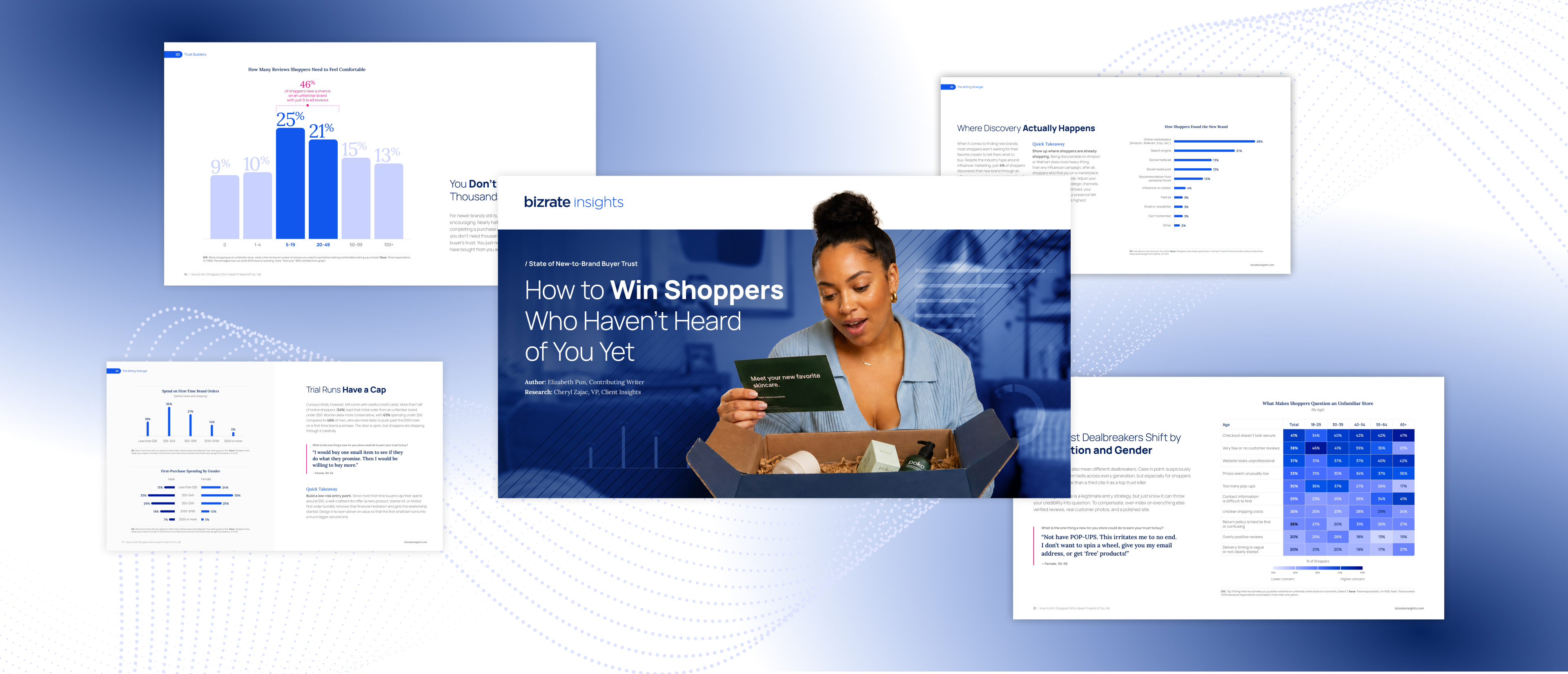
First-time buyers are out there, and they’re willing to spend with you if you can put them at ease. Our latest research shows what helps shoppers feel ready to take a chance on a new brand.

New back-to-school shopping data shows shoppers are blending online and in-store channels, spending more, and looking for convenience, value, and confidence.


