/ resources
July 23, 2024


Guest Writer, Bizrate Insights
Summer is in full swing, and with it comes a shift in consumers’ shopping habits. Earlier in the season, Bizrate Insights surveyed 1,000 online shoppers to find out what’s topping their summer shopping lists. This article will explore our survey findings in detail and offer actionable insights for retailers looking to capitalize on summer spending trends—specifically, home upgrades and summer vacation plans.
Many people stuck at home amid the COVID-19 pandemic sought comfort by enhancing their living spaces, turning their homes into havens during an uncertain time. According to Statista, this caused home improvement sales to skyrocket from $406.6 billion in 2019 to over $566 billion by 2022.
But has this home improvement trend maintained momentum in a post-COVID world?
The pandemic might be behind us, but home improvement spending is still top of mind for many. While home improvement sales dipped to $544.6 billion last year, spending remains significantly higher than pre-pandemic levels. Statista’s data also forecasts a slow but steady growth over the next few years, with spending projected to exceed $600 billion by 2027.
Our survey shows this year’s growth will be driven by a mix of DIY projects and home upgrades, including new décor, furniture, and appliances. Over half (52%) of online shoppers are gearing up for DIY projects this summer:
While customers continue home improvement investments or spending, many plan to cut costs where possible. Only 14% of customers plan to hire contractors to handle their summer home upgrades, instead opting for the cost-efficiency of DIY projects.
In addition to DIY, shoppers are particularly focused on upgrading home décor (41%) and enhancing their outdoor spaces (35%). Other big spending areas include purchasing new furniture (34%) and household appliances (27%).
Statista’s data found that about every fourth household appliance is already bought online. By 2027, that share is expected to grow by 34%.
Those aged 18-39 plan to spend the most in all these areas, both indoors and outdoors:
Mobile devices now offer unparalleled convenience, allowing shoppers to research products on the go.
About half of those surveyed said they use mobile devices or watch product videos online before purchasing. Features like product videos provide a dynamic way to showcase important features and attention-grabbing benefits, often giving customers a clearer understanding of the product than static images or text descriptions.
Shoppers 18-54 are more inclined to research home goods on the internet before making a purchase decision:
Customer ratings and reviews are the most valuable to shoppers, with 57% of survey respondents marking them as important. User reviews and recommendations add an element of trust and authenticity, allowing potential buyers to learn from the experiences of others.
Many shoppers (40%) also like to see multiple product images showing the item from different viewpoints, allowing them to zoom in for a closer look or better understand important details.
Despite the rise of online shopping, physical stores remain relevant when shopping for home upgrades. That so-called “lifelike” faux plant you saw online? It could turn out to be a not-so-chic imposter once it lands in your living room. And that elegant couch promising luxurious comfort? It may reveal itself to be flimsy and uncomfortable in person.
Touch and feel are the biggest drivers of in-store shopping for home goods. Of those surveyed, 66% choose to visit brick-and-mortar stores so they can touch, feel, and test out the products before purchasing:
Older shoppers (55+) exhibit a strong preference for in-store experiences, valuing the tactile engagement and customer support that physical stores provide:
Meanwhile, younger shoppers aren’t afraid to purchase home goods such as appliances and furniture online. On average, nearly half of shoppers intend to buy at least 26% of their home goods online. However, customers 18-39 were much more likely to embrace the online channel.
Even still, physical stores play an essential role across all age groups when shopping for home upgrades. In-person shopping offers a sensory experience that online platforms struggle to replicate, even with fancy tools like augmented reality (AR) and virtual showrooms. Interacting with products physically helps shoppers better understand the items’ quality, size, and suitability.
Travel is a significant focus for many in 2024. A recent report found that 50% of Americans plan to travel more this year than last year, and 64% of our survey respondents say they have summer trips planned.
The desire to travel remains relatively consistent across all age groups, giving retailers an opportunity to cater to a wide range of traveler needs and preferences.
Most travelers (90%) plan to travel within the U.S., while one in five plan to travel internationally.
While some choose to travel solo or with friends, family trips dominate this year’s travel plans both domestically and abroad. This focus on family travel further emphasizes the need for brands to offer a variety of travel essentials that cater to all ages.
Travel budgets are influenced by several factors, including age, destination, duration, and the type of activities planned. Because of this, travel budgets vary widely, but a substantial 69% of travelers have set aside at least $1,000 for their trips.
Unsurprisingly, younger shoppers have lower-than-average travel budgets, perhaps leading them to choose more economical alternatives, such as road trips or budget-friendly accommodations. Promotions should be forthcoming, especially for this audience.
The digital transformation of the travel industry has made it easier for consumers to plan and book their trips online. Travel websites, online travel agencies (OTAs), and social media platforms offer a wealth of information and options.
About two-thirds of shoppers plan to use the internet to research and book travel arrangements this year. Many people will also plan itineraries online (45%) and make lists of what they need in advance (51%) or while on the trip (38%).
Social media plays a crucial role here, particularly among younger travelers aged 18-39. These age groups are more likely to leverage social media for travel inspiration, stay connected with friends while traveling, and share highlights from their adventures for others to see.
Meanwhile, those aged 65 and older tend to engage in less online travel-related purchasing than other age groups:
The rise of digital travel planning highlights how crucial it is for ecommerce businesses to have a solid online presence, complete with engaging content to enhance online visibility and attract more potential customers.
Preparing for a trip involves more than just booking flights and accommodations. For many, part of the travel planning excitement involves purchasing travel essentials. As they prepare for their adventures, travelers are shopping across multiple categories, but apparel and shoes easily top the list:
We also found that shoppers aged 18-39 tend to be more proactive in making pre-travel purchases across various categories:
Aggregating products that speak to travelers can help deliver incremental revenues.
It’s clear from our survey data that customer spending is increasing both at home and on the road. To take advantage of these trends, here are several best practices to remember as an ecommerce retailer looking to attract and retain summer spenders.
When shopping online, customers may struggle to visualize how products, especially large items like furniture or decor or design elements, will fit and look in their spaces. This is where tools like AR technology and 3D product visualization come into play. These can be a game-changer in online shopping, enabling customers to get an up-close view of the product or gauge how a piece would fit in terms of size, style, and color directly in their intended environment.
Interactive tools and virtual showrooms can revolutionize customers’ shopping experiences by bridging the gap between online and physical stores. According to Shopify, such tools help customers make better-informed decisions, which can lead to increased conversions and reduced return rates.
And don’t underestimate the power of related product recommendations. DIYers have enough going on — simplify their shopping experience by giving them personalized recommendations and ensuring they have everything they need for their project all in one place.
By integrating comprehensive services, such as white-glove delivery and professional assembly options, you can greatly enhance your customer experience. These premium services appeal to those who value a hassle-free and efficient purchasing process where they can expect products to arrive safely and be expertly assembled in their intended space, despite additional costs.
Offering such meticulous attention to detail caters to the needs of customers who prefer a one-stop shopping experience and can significantly boost customer satisfaction. Research by Capgemini identified a 20% increase in customer satisfaction scores and a 30% decrease in return rates after implementing white glove services.
Providing an end-to-end, seamless service like this is expected in today’s competitive market. When customers see you emphasize convenience and quality of service, it can make a remarkable impact on their perception of your brand and, by extension, influence their purchasing decisions.
Ensuring a seamless shopping experience across online and physical stores is crucial, particularly for home goods spenders. An omnichannel approach allows you to meet customers wherever they are, offering a cohesive shopping experience that combines the best of both online and in-store shopping. Rich online content, such as detailed product descriptions, high-quality images, and customer reviews, helps shoppers make informed decisions. Meanwhile, in-store touchpoints provide the tactile experience and personal interaction that many customers still value when shopping for home projects and upgrades. Lastly, delivery conveniences from in-store pickup to curbside can give shoppers the options they seek.
By creating tools that inspire and organize travel spenders, you can offer a holistic approach to their travel planning process. Here are some ideas to get you started:
Implementing some or all of the features above can help create a more engaging and useful environment for travel spenders.
Ensure your products are smartly integrated and have detailed descriptions, compelling imagery, and comprehensive information to help customers make informed purchasing decisions. Well-crafted product descriptions and images go beyond specifications to appeal to a shopper’s senses and emotions. You could showcase the product in various travel scenarios or locations, encouraging customers to imagine its place in their adventures.
Meanwhile, providing a detailed product description complete with interactive tools or user-generated content (UGC) like Q&A sections can reduce customer hesitation and build confidence in your product. One recent analysis saw a 177.2% increase in conversion among customers who interacted with a product page Q&A.
Lastly, don’t forget to leverage social media to create a dynamic, engaging, and interactive social experience for travelers interested in your product. Some inspiration for you:
To cash in on summer spending trends at home and on the road, brands need to understand and cater to current customer needs and interests. Whether that’s enhancing your product pages with customer-centric tools and detailed product descriptions or leveraging social media to share enviable packing lists of travel must-haves, the choices are almost endless.
By remaining adaptable and prepared for this summer’s shopping behaviors, you’ll be ready to attract more customers and maximize summer profits. Ready to gather valuable insights directly from your customers? Book a demo with Bizrate Insights to start collecting customer feedback and build a customer experience strategy that works.
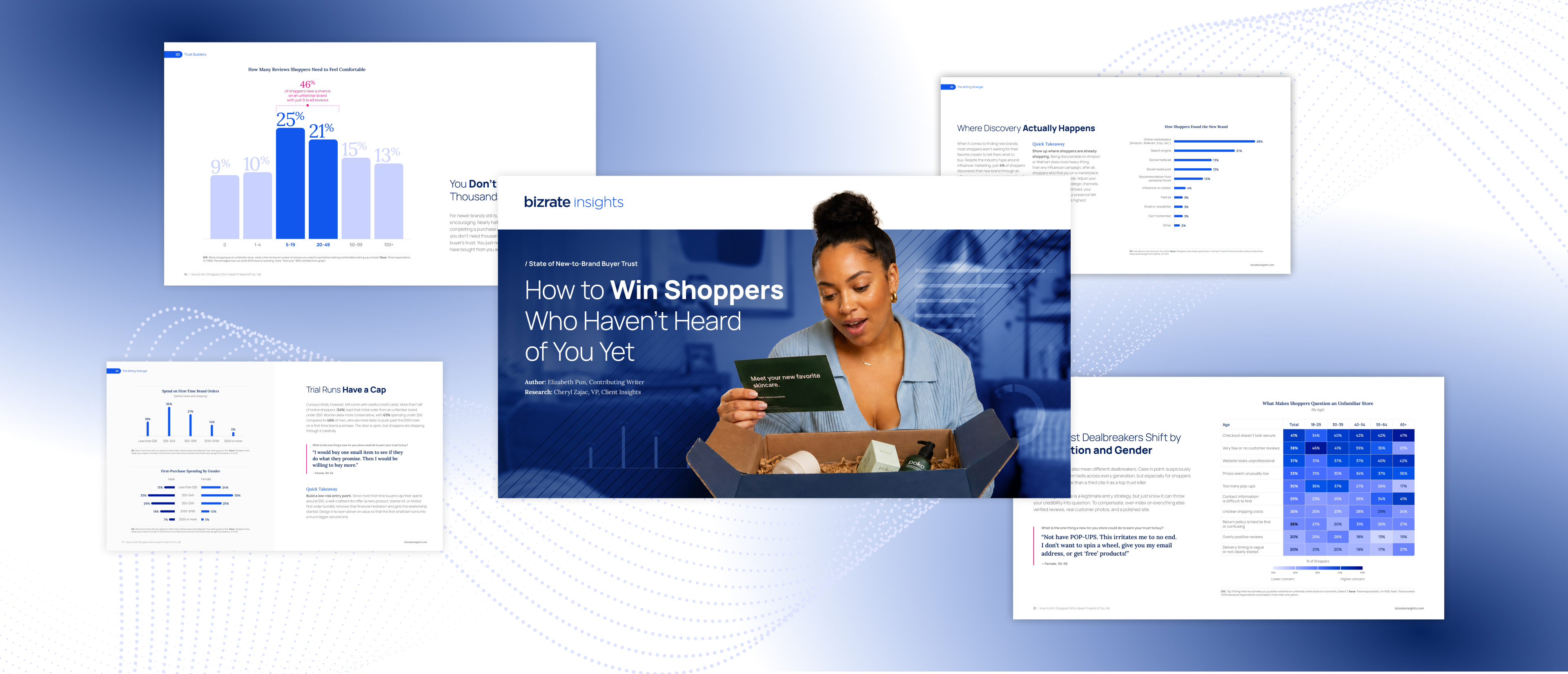
First-time buyers are out there, and they’re willing to spend with you if you can put them at ease. Our latest research shows what helps shoppers feel ready to take a chance on a new brand.

New back-to-school shopping data shows shoppers are blending online and in-store channels, spending more, and looking for convenience, value, and confidence.
Introduction A customer orders from your brand, has a terrible delivery experience through DoorDash or Instacart, and leaves a...


