/ resources
December 18, 2024


Guest Writer, Bizrate Insights
2024 has been a year of increasing consumer confidence. In April 2024, the inflation rate was 3.36% compared to 4.93% the prior year. As a result, breathing room is returning to consumer wallets, with a 2024 Outlook Report saying global consumers are spending 18% more this year than in 2021.
Even so, we need to evaluate what this increased confidence means for consumer wallets. What does a little more breathing room regarding consumer buying trends for 2025 and beyond look like?
According to Deloitte’s Spending Intentions index, consumer activity has steadily increased in 2024. Spending, saving, and investing have either steadied or increased, and so has the desire to spend. This corresponds with what we know about inflation: Deloitte reports that global inflation concerns are down to 76% in the summer of 2024 from a peak of 84% in the summer of 2022.
This newly confident money needs somewhere to go. According to Deloitte, formerly cash-strapped customers haven’t changed their pre-inflation spending habits: an estimated 20% of consumers’ wallets went towards recreation, entertainment, leisure, travel, and restaurants — the same as in September 2023.
Given that about 78% of millennials prefer to spend money on desirable experiences or events rather than products, according to AWS, this trend will remain unchanged or even increase as millennials get more room to spend.
Category spending trends may not have changed, but consumers stand ready to change their brand preferences when needed. Shopper loyalty is in flux, according to McKinsey. That may be due to the lingering effects of the pandemic’s supply chain disruptions when roughly half of consumers “switched products or brands” thanks to these problems. It’s had a long-term effect: untrusting consumers will switch brands to suit their needs.
It might be easy to toss this observation as the result of younger generations entering the market. Not so. “This weakening of brand loyalty is not limited to a specific age group,” says McKinsey.
Today’s consumers understand how quickly technology changes how we shop, consume, and live. Even millennials and older generations are happy to try out different apps and online shops until they find a brand they like. This breaks old traditions, which suggests that older consumers value brand loyalty.
“In the past, older consumers remained consistently loyal to their preferred brands,” writes McKinsey. “But today, [older consumers are] just as likely to embrace new brands and retailers [as their younger counterparts].”
However, there are some age differences in the data regarding why consumers shift brands.
According to Deloitte’s 2024 Consumer Loyalty Survey, over 75% of Gen Z and millennials need an accessible, enjoyable experience, while less than half of baby boomers report the same. Younger consumers may switch loyalty programs if they see a strong membership community in another brand, suggesting they value interpersonal connections in their brand choices more than baby boomers.
Shifting demographics, especially in emerging markets, will bring many young consumers to the global market. According to McKinsey, by 2030, 75 percent of consumers in emerging markets will be between the ages of 15 and 34.
Statistics suggest these consumers are highly optimistic about their spending — 2/3rds more optimistic “than those in advanced economies,” notes McKinsey.
This optimism isn’t limited to the young spenders, however. McKinsey also notes, “It’s not just younger consumers who are ready to spend but their parents, too.” And these consumers bring their own tastes to the global marketplace—particularly when it comes to entertainment.
For example, the data shows that for “wealthy aging consumers” in emerging markets, the following percentages report being ready to spend on entertainment:
For years, sustainability was a growing trend: consumers cared not only about what their products were made out of but where they came from. This is still true of value-driven U.S. consumers, where 78% report that a sustainable lifestyle remains important to them and 60% said they’d pay more for a product with sustainable packaging. However, some of that data is a few years old now. According to McKinsey:
In Europe and the United States, fewer Gen Zers and millennials ranked sustainability claims as an important purchasing factor at the beginning of 2024 than in 2023.
The reason, McKinsey claims, is that younger consumers have to make “clear trade-offs in the face of economic uncertainty and inflation.”
As inflation eases, sustainable products may rise again in response. But for now, more buyers from emerging markets might push the sustainable trend to the backburner.
If inflation fears continue to ease and consumers continue to feel confident about spending, we can expect one 2024 trend to continue: big-ticket items. When U.S. Bank looked at the main drivers of U.S. economic growth, it noticed upticks in retail sales during the summer, growing 2.4%.
Much of that was driven by electronics and appliances, which had a 5.2% improvement over 2023 spending levels during the summer. According to U.S. Bank, this reflects “a willingness among consumers to spend more on big-ticket items.”
Given that “an increasing proportion of spending is funded by consumer debt,” the U.S. Federal Reserve’s move to start cutting interest rates as inflation fears ease could also factor into more big-ticket purchases. Lower interest rates mean more wiggle room on credit cards — which means consumers might be willing to spring for the electronics and big-ticket appliances they’ve been saving for.
Want to learn more about consumer trends heading into 2025? Visit Bizrate Insights if you’re interested in tracking shopper behavior trends and refining your customer experience strategy. Book a demo today.
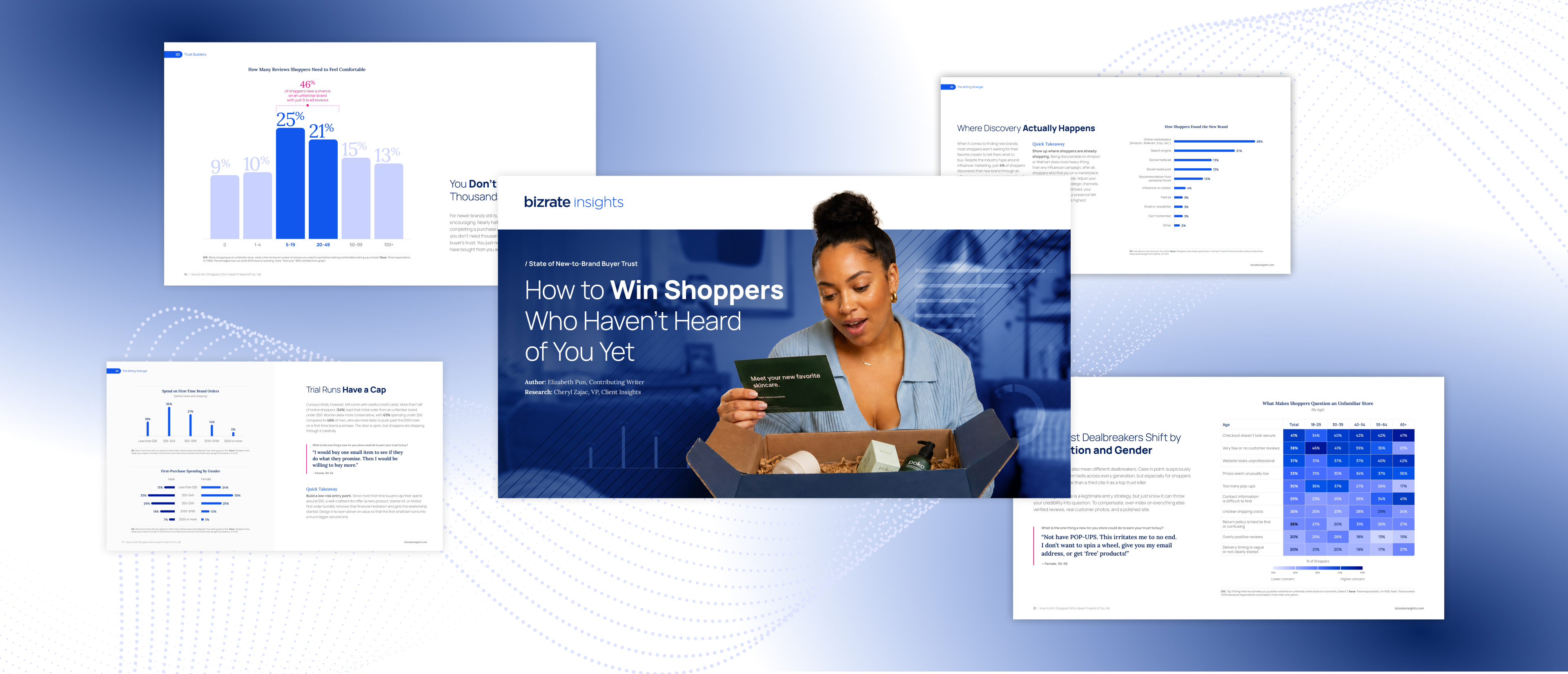
First-time buyers are out there, and they’re willing to spend with you if you can put them at ease. Our latest research shows what helps shoppers feel ready to take a chance on a new brand.

New back-to-school shopping data shows shoppers are blending online and in-store channels, spending more, and looking for convenience, value, and confidence.
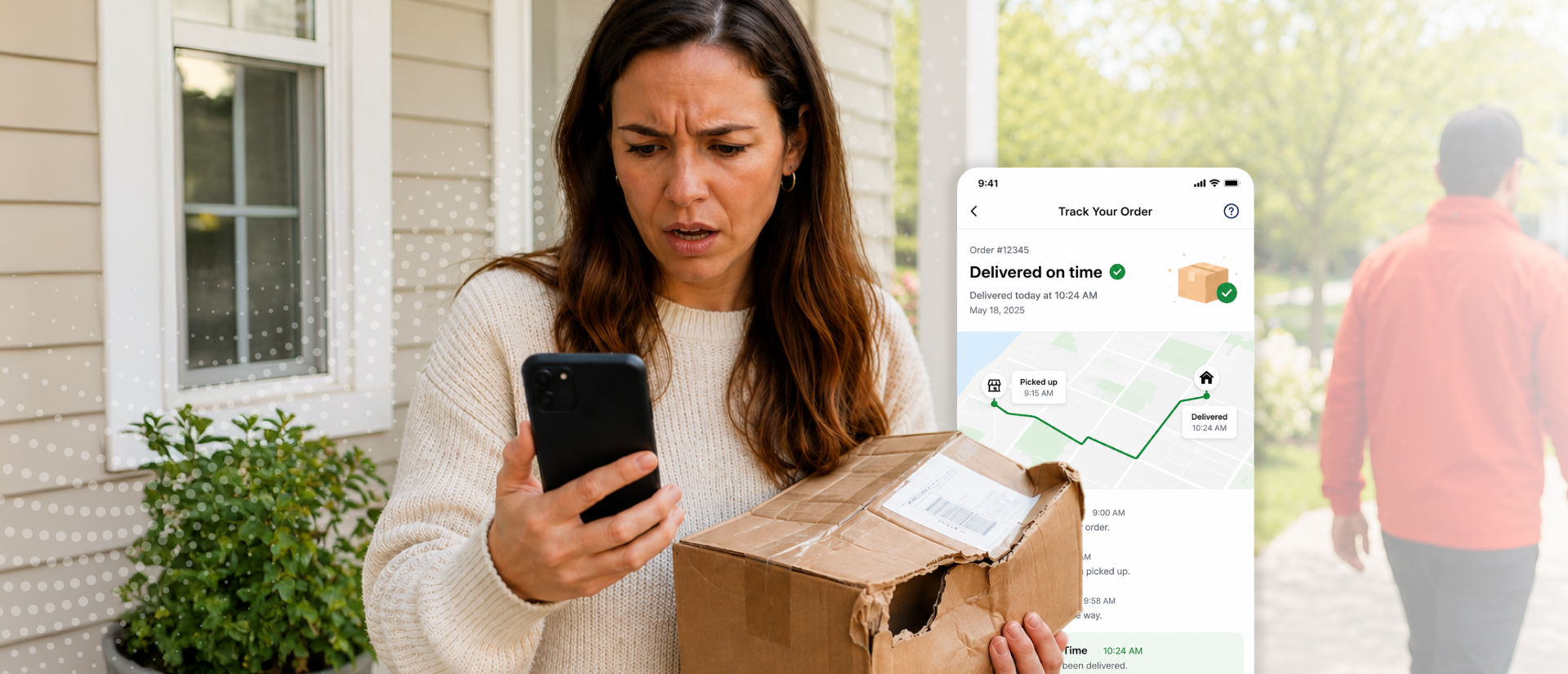
Introduction A customer orders from your brand, has a terrible delivery experience through DoorDash or Instacart, and leaves a...


